
Aurora Podcast - Season 2 Episode 1
Understanding Transcranial Magnetic Stimulation (TMS): An Innovative Approach for Treatment‑Resistant Depression
Understanding Transcranial Magnetic Stimulation (TMS): An Innovative Approach for Treatment‑Resistant Depression
About this episode
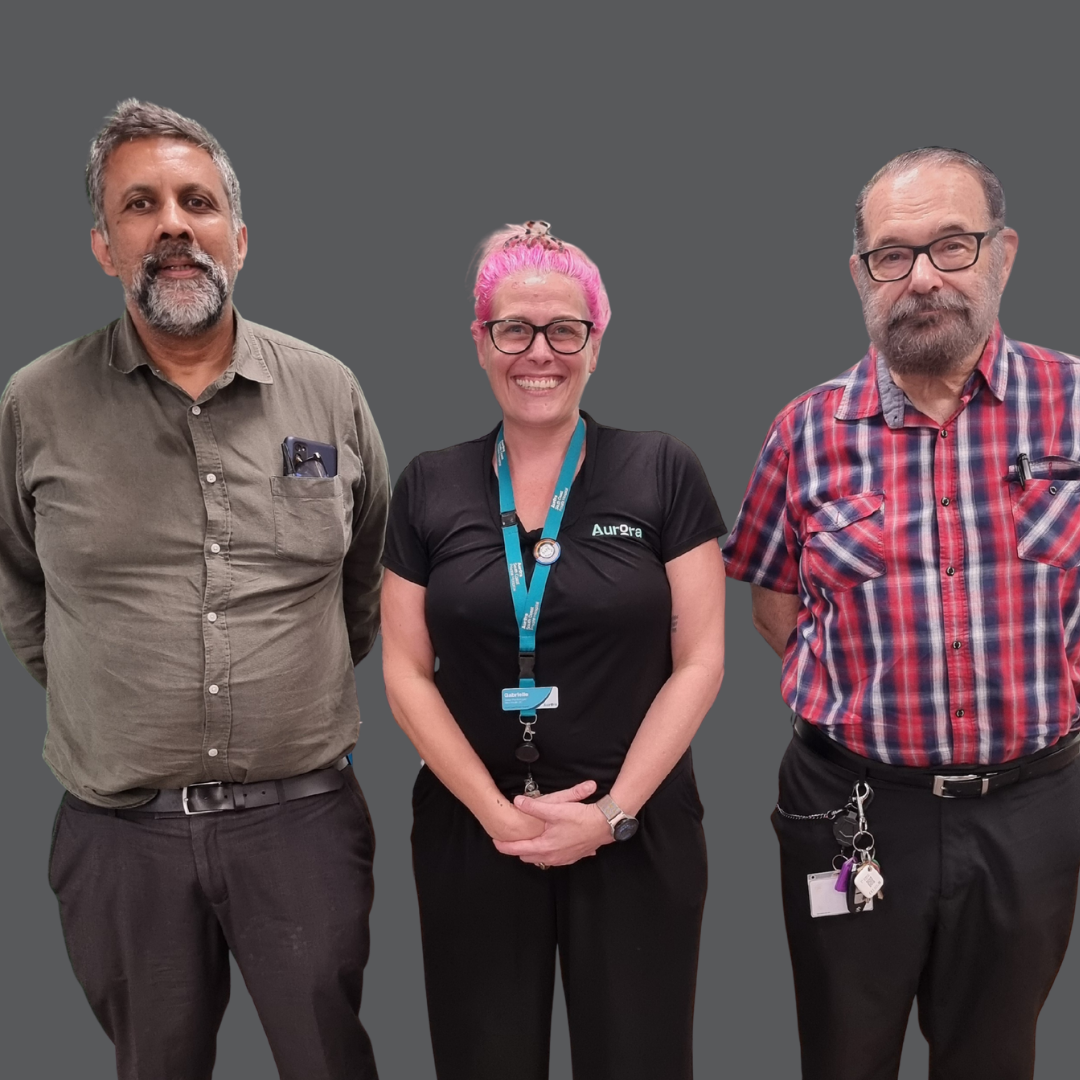
In this podcast episode, host Gabrielle Sivertsen, a psychologist at South Coast Private Hospital is joined by the hospital’s Medical Superintendent and psychiatrist, Associate Professor Irwin Pakula and Director of Transcranial Magnetic Stimulation (TMS) Outpatient Service and psychiatrist, Dr Nalin Wijesinghe.
Together they explore TMS, a treatment option for those dealing with treatment-resistant depression, PTSD and anxiety. TMS is a non-invasive procedure that uses magnetic fields to stimulate nerve cells in the brain, aiming to improve symptoms of depression and other mental health conditions.
Our experts discuss how TMS works, including its ability to target specific brain regions involved in mood regulation. They share insights into the process of a typical TMS session, what patients can expect and the potential outcomes. They also cover the importance of a comprehensive assessment to ensure the best results, addressing factors like sleep, medication and psychological support.
This episode is ideal for mental health professionals, general practitioners and anyone interested in learning more about advanced treatment options for mental health conditions. Whether you're a patient or a clinician, this discussion offers valuable information about TMS and its role in mental health care.
Join us to understand how TMS might be a suitable option for those seeking new avenues in their mental health journey.
Learning outcomes
- Understand what TMS is and how it works as a non‑invasive brain‑stimulation treatment for depression.
- Identify when TMS is appropriate, including for treatment‑resistant depression, anxiety and PTSD.
- Describe what happens during a typical TMS session and what patients can expect.
- Recognise the importance of a thorough clinical assessment before beginning TMS.
- Summarise the evidence for TMS effectiveness, success rates and expected treatment outcomes.
- Identify common side effects and safety considerations associated with TMS.
- Understand how to access TMS, including referral pathways and suitability criteria.
Presented by
- Associate Professor Irwin Pakula, Medical Superintendent, Psychiatrist, MBBS, RANZCP
- Dr Nalin Wijesinghe, Director of Transcranial Magnetic Stimulation (TMS) Outpatient Service, Psychiatrist, MBBS, FRANZCP, FAPA
- Gabrielle Sivertsen, Clinical Psychologist, BPsy
About South Coast Private Hospital
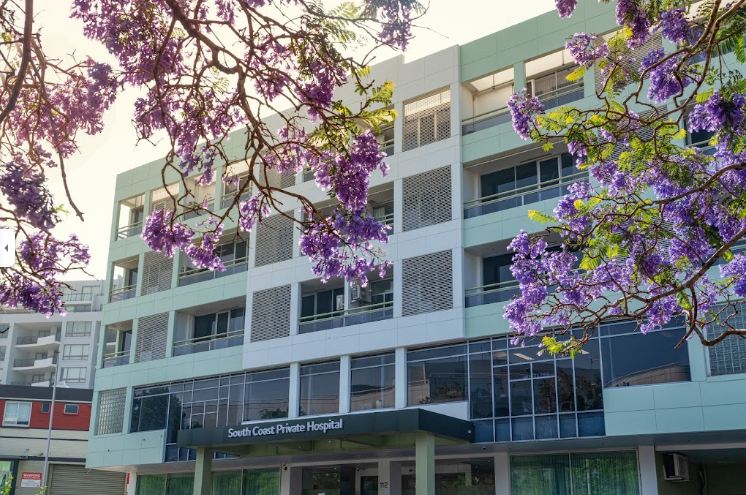
Located in Wollongong, South Coast Private Hospital is a leading provider of specialist mental health care, offering dedicated support for individuals experiencing moderate to severe depression — including those who have not achieved relief through traditional treatments.
Our hospital is home to one of the region’s most established Repetitive Transcranial Magnetic Stimulation (rTMS) services, providing a safe, non-invasive treatment option for people living with treatment‑resistant depression. Under the guidance of experienced psychiatrists and a multidisciplinary team of psychologists, nurses, and allied health clinicians, patients receive comprehensive, evidence‑based care designed to improve mood, restore functioning and enhance day‑to‑day wellbeing.
Alongside rTMS, South Coast Private offers:
- Mood & Anxiety Programs
- CBT-based and Creative Therapy Day Programs
- Addiction and Dual Diagnosis Support
- Specialised Veteran Mental Health Services (Tier 1 DVA provider)
With a holistic, patient‑centred approach, South Coast Private Hospital ensures that individuals navigating depression — whether longstanding, recurrent, or resistant to standard treatments — receive compassionate, personalised support in a safe and therapeutic environment.
Disclaimer
The content shared in this podcast is for general informational and educational purposes only. It is not intended as medical advice, diagnosis, or treatment. Always consult a qualified health professional regarding any medical or mental health concerns.
While we aim to provide accurate and up-to-date information, healthcare is complex and constantly evolving. What we discuss may not apply to your individual circumstances, and Aurora Healthcare does not endorse any specific treatments, clinicians, or products mentioned.
By listening to this podcast, you acknowledge that Aurora Healthcare is not responsible for any decisions made based on the information provided.