
Aurora Podcast - Season 2 Episode 3
When Thoughts Get Stuck - Understanding OCD and the Path to Recovery
When Thoughts Get Stuck - Understanding OCD and the Path to Recovery
Content note
This episode discusses OCD-related intrusive thoughts, including thoughts about harm and self-harm. These experiences can be deeply distressing, but it is important to know that intrusive thoughts in OCD are unwanted and do not mean a person wants to act on them.
If listening to this episode brings up distressing feelings or you feel you need support, please reach out. In Australia, Lifeline can be contacted on 13 11 14, Beyond Blue on 1300 22 4636, or call 000 (triple zero) if there is immediate risk or danger.
About this episode
OCD is often misunderstood. Many people associate it with being neat, organised, or concerned about cleanliness, but the reality is far more complex. OCD involves a cycle of intrusive thoughts, images, or urges and compulsive behaviours or mental rituals that can become overwhelming and interfere with everyday life.
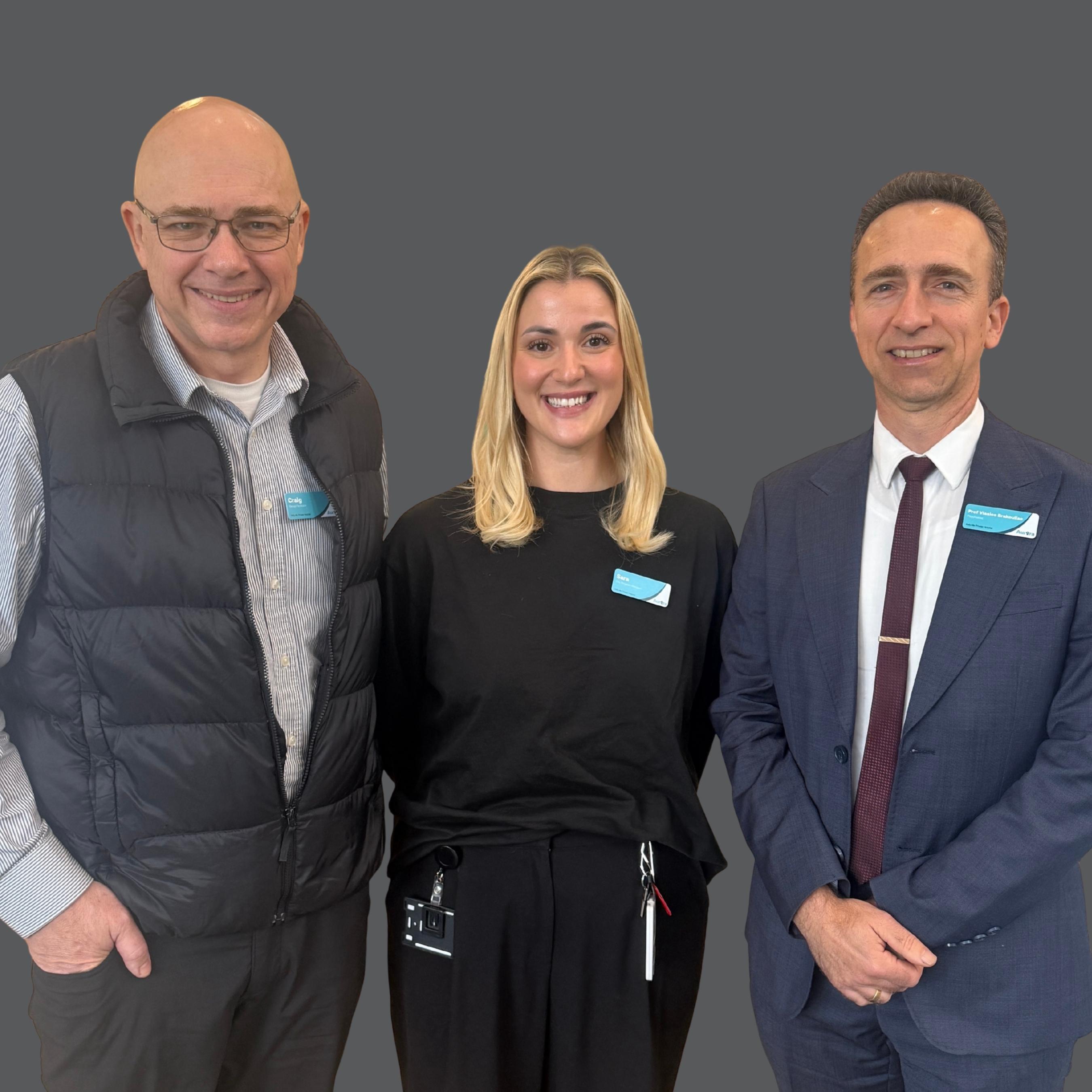
In this episode hosted by Sara Irace, Day Programs Manager at Kellyville Private Hospital, we explore what happens beneath the surface of OCD, how obsessions and compulsions develop, why intrusive thoughts can feel so distressing and how evidence-based treatment can help people regain control.
Joining us is Professor Brakoulias, a leading psychiatrist at Kellyville Private Hospital specialising in OCD, who explains the nature of obsessions and compulsions and why intrusive thoughts are often ego-dystonic, meaning they conflict with a person’s values, beliefs, and sense of self.
Craig Willson, counsellor and OCD group program facilitator at Kellyville Private Hospital, shares insights into how OCD can appear in less visible ways, including reassurance-seeking, rumination, avoidance, and moral obsessions that many people may not recognise.
Together, we explore the many ways OCD can present beyond common stereotypes, including health fears, relationship concerns, fears of causing harm and concerns about morality or responsibility. We discuss what signs GPs, families and individuals can look out for, and why early recognition is an important step towards recovery.
You’ll also learn about effective treatment approaches, including Exposure and Response Prevention (ERP), a highly effective psychological therapy that helps people reduce the power of OCD by learning to tolerate uncertainty and respond differently to distressing thoughts. We also discuss the role medication may play as part of an individualised treatment approach.
OCD can have a significant impact on quality of life, relationships and wellbeing, particularly when symptoms remain misunderstood or untreated. However, with the right support and evidence-based treatment, meaningful improvement is possible.
Whether you are a GP wanting to better understand OCD, a family member supporting someone you care about, or someone recognising these experiences in yourself, this conversation provides insight, understanding, and hope.
Because OCD can feel isolating, but no one has to face it alone.
Learning outcomes
The difference between obsessions and compulsions
Why intrusive thoughts in OCD are often ego-dystonic
Less visible presentations of OCD, including rumination, reassurance-seeking and moral obsessions
Evidence-based treatment approaches, including Exposure and Response Prevention (ERP)
Presented by
- Professor Vlasios Brakoulias, Psychiatrist specialising in OCD, Psychiatrist, Kellyville Private Hospital, MBBS (Hons) , FRANZCP , Cert. Psychotherapies , MPsychiatry , Phd
- Craig Willson, Counsellor and OCD Group Program Facilitator, Kellyville Private Hospital
- Sara Irace, Day Programs Manager, Kellyville Private Hospital

About Kellyville Private Hospital
Kellyville Private Hospital is a leading specialist mental health hospital in Sydney’s North-West, providing comprehensive inpatient, day program and outpatient services for adults, adolescents and older persons. The hospital supports people experiencing a broad range of mental health concerns, including anxiety, depression, trauma, PTSD, OCD, eating disorders, mood disorders, addiction and other complex psychiatric conditions.
With a multidisciplinary team of psychiatrists, psychologists, nurses and allied health professionals, Kellyville Private Hospital delivers evidence-based, personalised care designed to support recovery, wellbeing and long-term mental health outcomes. The hospital is recognised for its specialised treatment programs and commitment to providing compassionate, patient-centred care in a supportive therapeutic environment.
Disclaimer
This podcast is intended for healthcare professionals, including mental health clinicians and general practitioners, and is provided for CPD and educational purposes only.
The content is general in nature and is not intended to replace individual clinical judgement, diagnosis, or treatment planning. Clinicians should consider each patient’s specific circumstances, relevant clinical guidelines, and current regulatory requirements when applying information discussed.
While we aim to provide accurate and up-to-date information, healthcare is complex and constantly evolving. What we discuss may not apply to your individual circumstances, and Aurora Healthcare does not endorse any specific treatments, clinicians, or products mentioned.
By listening to this podcast, you acknowledge that Aurora Healthcare is not responsible for any decisions made based on the information provided.